
Recycling and Sustainability — Commercial Waste Heston
Commercial Waste Heston champions an eco-friendly waste disposal area approach across the local business community. We describe practical measures for a greener, more efficient Heston commercial waste service that supports a sustainable rubbish area for shops, offices and light industry. Our aim is to transform commercial rubbish handling into a circular, resource-saving process that aligns with borough policies and business needs.Our sustainability commitment and targets
We set a clear recycling percentage target to drive continuous improvement: 65% commercial recycling by 2030 across our service footprint. This target covers mixed dry recycling, organic collections, commercial cardboard, metals and priority streams such as e-waste and textiles. The target is supported by route optimisation, staff training, and partnerships that divert usable items away from landfill. Reducing embodied carbon in waste management is central to our planning and operational decisions.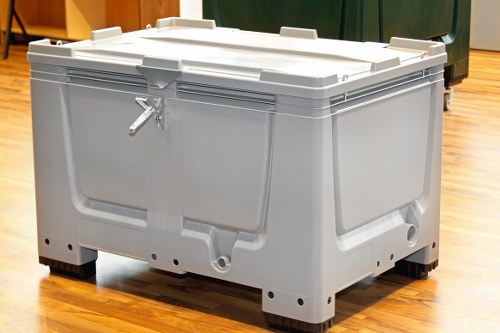 Local boroughs, including the London Borough of Hounslow, emphasise waste separation at source: businesses are encouraged to separate food waste, glass, paper and card, and mixed recyclables before collection. Typical recycling activities in the area include:
- Commercial cardboard and paper baling for recycling
- Glass and container sorting for reuse
- Food and organic waste collection for anaerobic digestion
- Small-scale e-waste and battery segregation for specialist recycling
- Textile and furniture reuse through charity partners
Low-carbon vans and greener logistics
We operate a modern, low-emission fleet that includes electric and hybrid vehicles alongside Euro 6 diesel vans on routes where cleaner alternatives are not yet viable. Low-carbon vans reduce local air pollution and cut CO2 from collections. Complementary measures such as consolidated drop points and scheduled transfers to local transfer stations reduce mileage and emissions further.
Partnerships with charities and reuse networks
Our approach to Heston commercial waste disposal extends beyond recycling to reuse. We work closely with local charities and national partners to redirect surplus commercial goods — from office furniture and textiles to packaged, unopened non-perishables — into community reuse channels. Examples include collaborations with charity shops, social enterprises and redistribution platforms that ensure usable items are recovered, repaired or repurposed rather than becoming waste.Local transfer stations play a pivotal role in this system. By using nearby transfer facilities and materials recovery facilities (MRFs), we shorten haul distances, streamline sorting, and improve recovery rates for commercial recyclables. Transfer stations allow efficient consolidation of separated streams and support higher-quality recycling outcomes.
To achieve the sustainable rubbish area vision, we provide businesses with practical tools: bin signage, labelled containers for mandated streams, and targeted collection frequencies that reduce contamination. Our waste audits identify high-volume streams and highlight opportunities to replace single-use packaging, increase cardboard compaction, and establish food waste captures that feed local anaerobic digestion facilities. These measures support the boroughs’ waste separation standards and the wider circular economy.
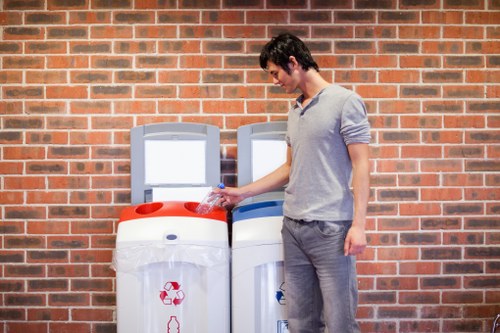 We formalise charity partnerships and reuse pathways to maximise resource recovery. Examples of partnership activities include:
- Scheduled furniture and textiles uplift in collaboration with registered charities
- Food redistribution agreements with local community kitchens and food banks (where appropriate)
- Electronic equipment collection for refurbishment and certified recycling
 Measuring progress — transparency is critical. Regular reporting on tonnes diverted, recycling percentages and fleet emissions lets businesses and stakeholders see measurable gains toward our 65% target. We publish performance updates and work with borough initiatives to benchmark against local recycling targets. Commercial waste in Heston becomes a model for neighbouring areas when collection efficiency, reuse partnerships and low-carbon logistics come together.
Beyond numbers, our strategy nurtures a culture of responsible waste handling. Staff training, clear operational procedures and routine site reviews help businesses maintain clean separation at source. Heston commercial waste services emphasise reusability and reduced contamination, which improves material value and decreases the need for costly treatment or landfill disposal.
We also support initiatives that encourage local businesses to report waste reduction wins and to adopt procurement policies that prioritise recyclable or reusable materials. By aligning supplier expectations with recycling goals, companies help create a thriving, sustainable rubbish area that benefits both the local environment and the bottom line.
