Complaints Procedure for Commercial Waste Heston
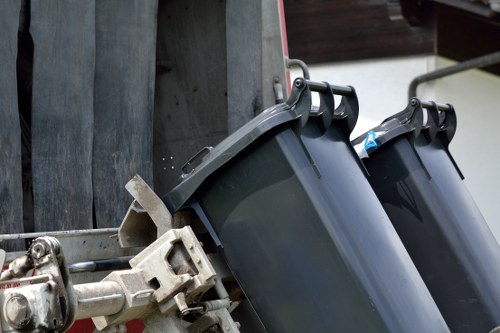 This complaints procedure explains how businesses can raise concerns about commercial waste services in the Heston service area. It sets out the scope, timescales, responsibilities and outcomes you can expect when you notify a rubbish collection provider or business waste contractor about a problem. The aim is to resolve issues promptly, fairly and transparently while protecting public health and the environment.
The procedure applies to all aspects of commercial refuse management including scheduled collection failures, missed collections, incorrect bin handling, spillage, contamination of recycling streams, unsafe vehicle operations and any failure to meet agreed service levels for commercial refuse or business waste collections. It covers companies providing skip hire, bin collections, waste transfer services and ancillary activities related to Heston commercial waste operations.
 This policy focuses on fair resolution rather than assigning blame. It recognises that occasional service faults can occur and that swift, recorded responses are the best way to maintain service continuity. Use this protocol if you need to formally register a complaint about commercial rubbish services, or if informal reporting does not lead to a satisfactory resolution.
How to make a complaint
Start by reporting the issue to the service provider through their official channels. You should include the date, time, location, the nature of the problem and any reference numbers or bin identifiers. Where possible, supply photographs and details of any property damage, contamination or safety risks. If your initial report does not resolve the matter, submit a formal written complaint following the steps below.
 A formal complaint should state: the business name and address, your role within the company, the contract or account reference, a clear description of the issue, the steps already taken and the outcome you seek. Keep records of all communications. Complaints may be logged by post, email or the provider's online portal depending on the operator's published procedures.
When lodging a complaint, request an acknowledgement and a reference number. This allows both parties to track progress. Providers should confirm receipt within a pre-determined timeframe and advise on the expected investigation period. Typical initial acknowledgements are issued within 2 to 5 working days.
Investigation and response process
Once received, complaints about Heston commercial waste services will be registered and assigned to an investigator. Investigations will include reviewing service logs, vehicle tracking, bin-lift records and any photographic evidence. Interviews with drivers, site operatives or contract managers may be conducted to establish facts.
Investigations aim to be thorough but timely. A formal response is normally issued within 10 to 20 working days depending on the complexity. Where immediate remedial action is required—such as clearing spillage or arranging an urgent collection—providers should act within 24 to 72 hours and advise you of the steps taken.
Possible outcomes
Outcomes may include: an apology and explanation, corrective action (collection or clean-up), amendment of future service arrangements, service credits where contractual obligations were not met, or changes to operating procedures to prevent recurrence. If no fault is found, the response will explain the investigation findings and any evidence that supports that conclusion.Appeals and escalation routes are available if you remain dissatisfied. Initially seek internal review by a more senior manager or the provider's complaints team. If the matter remains unresolved, you may request an independent review under contractual dispute clauses or consider third-party mediation where available. This document encourages professional resolution and, where necessary, use of contractual remedies rather than public escalation.
 Recording and confidentiality: All complaints and associated records will be retained in accordance with data retention policies and relevant regulatory obligations. Personal data will be treated in confidence and used only for investigation, remediation and service improvement purposes. Shared commercial information may be redacted where necessary to protect privacy and commercial sensitivity.
 Continuous improvement: Providers should analyse complaint trends across the business waste and commercial rubbish operations to identify systemic issues. Regular reporting, staff training, route optimisation and maintenance of vehicles and containers are typical corrective measures. The goal is to reduce recurring problems and improve reliability for businesses using commercial waste services in the area.
Timescales and service standards: Response targets are reasonable and proportionate to the issue severity. Minor administrative concerns may be resolved within a week, operational failures often within two to three weeks, and complex disputes could take longer. Providers should keep complainants informed of progress and any unavoidable delays.
Roles and responsibilities: Contractors are responsible for meeting contractual service levels for business waste collections. Customers are responsible for providing accurate information, ensuring waste is presented correctly and complying with waste acceptance rules. Both parties should work constructively to resolve complaints.
Final notes: This complaints procedure is intended to ensure fair, transparent and timely handling of issues relating to commercial refuse and business waste operations in the Heston locality. It emphasises clear communication, documented investigation and practical remedies to restore service quality and confidence. By following the steps outlined, businesses can expect professional resolution and continuous improvement from their commercial rubbish service providers.
